Physionic · Health & Wellness
The Impact of Chronic Cortisol: Fact-Checking Dr. Elizabeth Bright's Health Claims
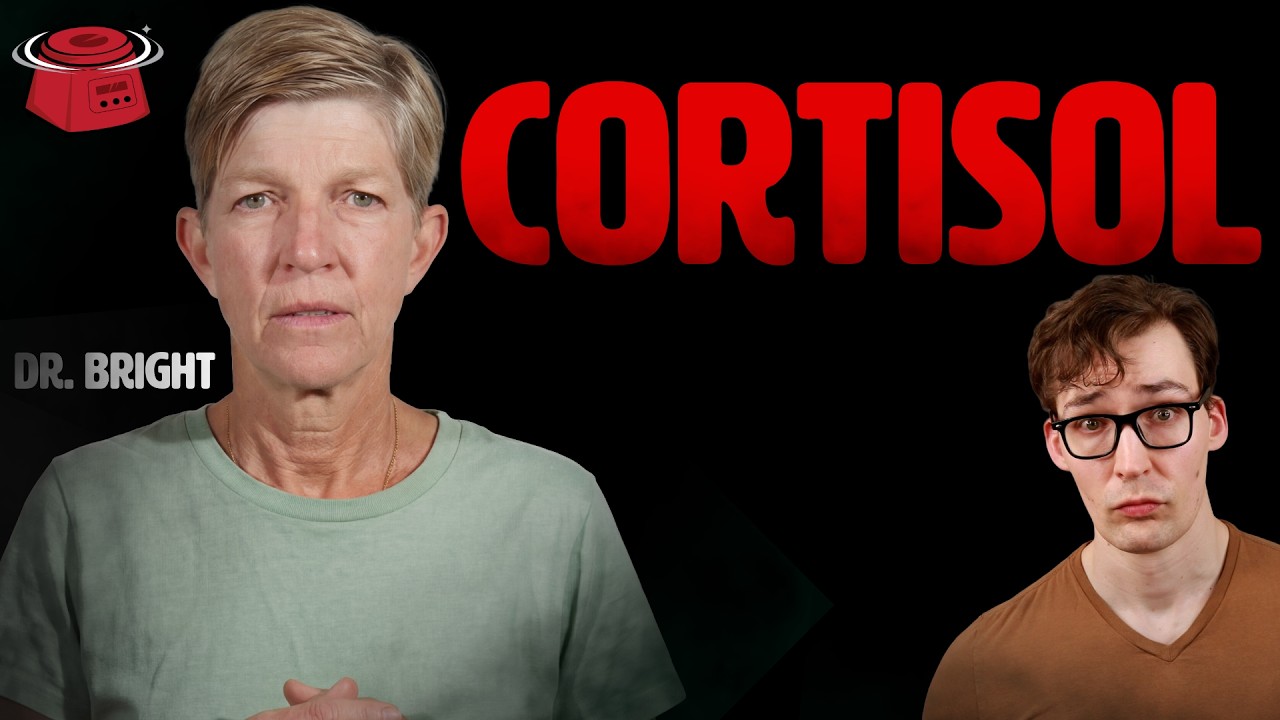
This analysis evaluates Dr. Elizabeth Bright's claims regarding the dangers of cortisol, exploring the scientific evidence behind its role in inflammation, brain cell degradation, and bone loss. While chronic elevation is shown to be harmful, the video emphasizes the dynamic nature of cortisol and the critical context needed to understand its systemic effects.
Introduction to Cortisol and Dr. Elizabeth Bright's Claims
In a recent discussion featured by Physionic Insider, Dr. Elizabeth Bright, a practitioner of osteopathy and naturopathy, outlined the physiological dangers of cortisol. Often labeled the "stress hormone," it is central to the fight-or-flight response. While essential for mobilizing blood sugar (glucose) during acute danger, Dr. Bright contends that chronic elevation is highly inflammatory, damaging neurons and "pulverizing" bones. This chapter evaluates these claims against clinical data and randomized controlled trials.
Cortisol and Inflammation: Evidence vs. Claims
Dr. Bright asserts that cortisol is inherently inflammatory. However, clinical evidence suggests a more nuanced reality. In controlled studies where healthy participants were injected with cortisol, researchers observed a significant reduction in the inflammatory marker interleukin-6 (IL-6) compared to a placebo. This aligns with its medical use as an anti-inflammatory agent.
Mechanism: Cortisol typically suppresses the immune system by inhibiting the production of pro-inflammatory cytokines. However, chronic exposure—as seen in Cushing's syndrome—can lead to glucocorticoid resistance, where immune cells become less sensitive to cortisol's inhibitory effects, eventually resulting in persistent, systemic inflammation.
Data from patients with Cushing's syndrome (chronic cortisol elevation) does show elevated interleukin-6 (IL-6) levels. Thus, while acute cortisol is anti-inflammatory, chronic elevation is associated with pro-inflammatory states, partially substantiating the claim in the context of long-term stress.
Neurological and Skeletal Impact
The claim regarding brain damage is supported by structural imaging. High cortisol levels are linked to reduced volume in the hippocampus, a region critical for memory. Human trials show these structural changes and diminished cognitive performance can occur in as little as three days of high-dose exposure. Furthermore, the link between cortisol and osteoporosis is robust; excessive levels inhibit bone formation and accelerate resorption, leading to increased fracture risk.
- Direct Evidence: Chronic cortisol elevation correlates with edema, visceral fat accumulation, and blood sugar (glucose) dysregulation.
- Caffeine Refutation: Contrary to popular belief, habitual caffeine consumption does not chronically raise cortisol. Studies show that tolerance develops within days, returning levels to baseline.
Evaluating Nutritional and Substance Impacts
Contrary to claims by Dr. Elizabeth Bright, clinical evidence suggests that tea consumption does not elevate cortisol through iodine inhibition. Randomized controlled trials indicate that black tea either maintains or reduces cortisol levels. Similarly, the assertion that sugar intake inherently spikes cortisol is scientifically unsupported. Studies demonstrate that 100g of sugar can actually reduce cortisol, though glucose may have a stimulatory effect when paired with psychological stressors.The "stress-sugar" interaction suggests that while glucose is not an independent trigger for cortisol release, it may amplify the hypothalamic-pituitary-adrenal (HPA) axis response during active mental strain.
Contextualizing Daily Fluctuations
A critical distinction must be made between physiological daily rhythms and pathological states. In healthy individuals, cortisol follows a diurnal pattern, peaking in the morning and declining thereafter. While Cushing's syndrome involves chronic, extreme elevation, most "alarmist" health claims rely on studies using intravenous cortisol doses—often reaching 100 nmol/L—which far exceed natural day-to-day levels.- Tea and sugar do not typically raise cortisol in isolation.
- Cannabis effects shift from stimulatory to blunting over time.
- Ketogenic diet evidence remains inconsistent and time-dependent.
- Daily cortisol spikes are normal physiological events, not signs of dysfunction.
For individuals without Cushing's syndrome or diabetes, focus should remain on sleep, weight management, and exercise rather than singular cortisol-lowering techniques.
Glossary of Terms
| Term | Explanation |
|---|---|
| Cortisol | A steroid hormone produced by the adrenal glands that mediates the body's response to stress. |
| Cushing's Syndrome | A condition caused by prolonged exposure to high levels of cortisol, resulting in specific physiological symptoms. |
| Interleukin-6 (IL-6) | A pro-inflammatory cytokine that acts as a marker for systemic inflammation in the body. |
| Hippocampus | A complex brain structure in the temporal lobe that is highly sensitive to cortisol and involved in memory. |
| Visceral Fat | Fat stored within the abdominal cavity around internal organs, associated with metabolic risks. |
| Edema | Swelling caused by excess fluid trapped in the body's tissues, often linked to aldosterone and cortisol. |
| Aldosterone | A hormone produced by the adrenal glands that helps regulate blood pressure by managing water and salt levels. |
| ACTH | Adrenocorticotropic hormone, which signals the adrenal glands to produce and release cortisol. |
| Osteoporosis | A condition characterized by weakened bones and increased risk of fractures, often exacerbated by high cortisol. |
| Endotoxin | A toxin found in the cell wall of certain bacteria that can trigger a strong inflammatory response. |
| Ketogenic Diet | A high-fat, low-carbohydrate diet that shifts the body's metabolism toward burning fats and ketones. |
| Neurons | The fundamental units of the brain and nervous system responsible for receiving and transmitting signals. |
| Theobromine | A bitter alkaloid found in chocolate that acts as a mild stimulant to the central nervous system. |
| Air Hunger | A sensation of shortness of breath or the feeling that one cannot breathe in enough air. |
| Fight or Flight | The physiological reaction that occurs in response to a perceived harmful event, attack, or threat to survival. |
| Iodine Inhibition | A process where certain substances prevent the thyroid from absorbing iodine, potentially affecting metabolism. |
| Blood Sugar (Glucose) | The main sugar found in the blood and the body's primary source of energy, regulated by hormones like insulin and cortisol. |
| Osteopathy | A branch of medical practice that emphasizes the physical manipulation of muscle tissue and bones. |
| Naturopathy | A system of alternative medicine based on the theory that diseases can be successfully treated or prevented without the use of drugs. |
| Physionic Insider | The specific health and science platform or community providing the content and analysis in this video. |